
Introduction
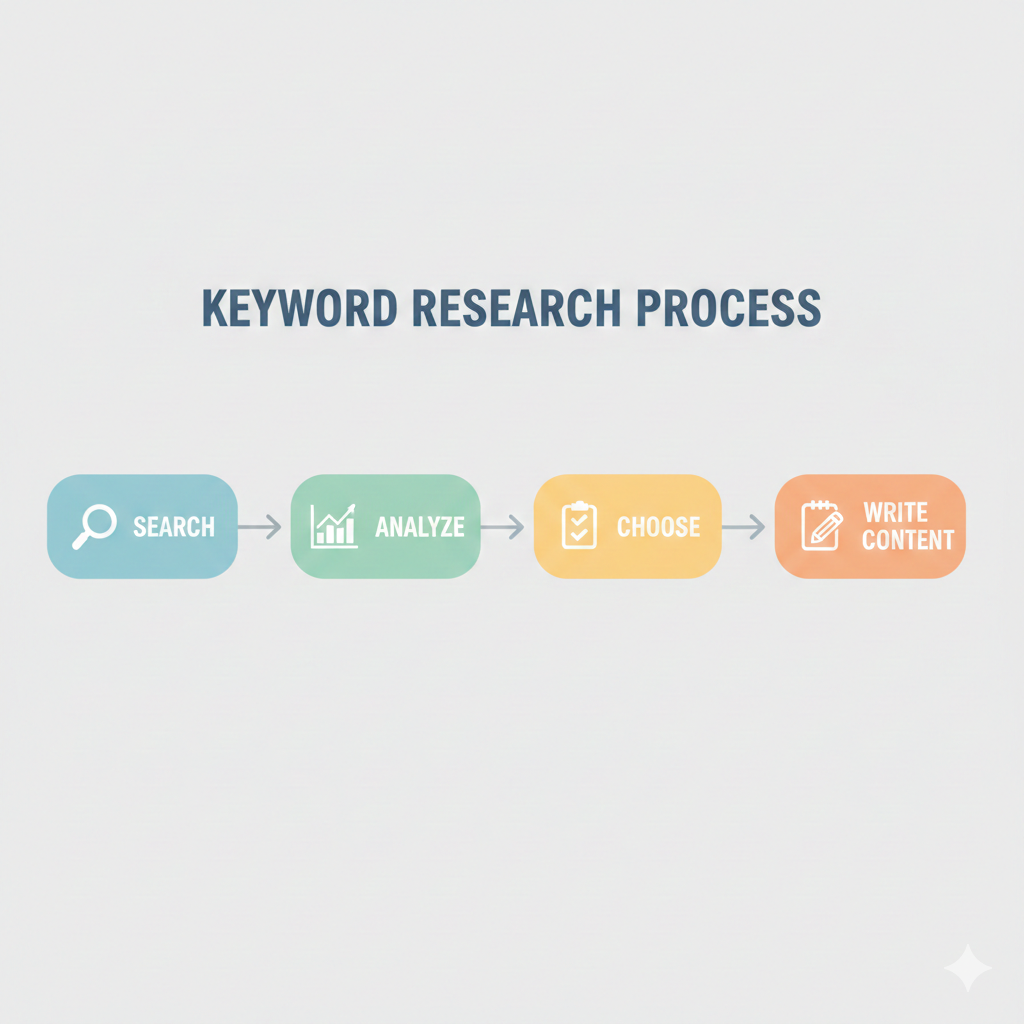
Keyword research is the process of discovering and analyzing the words or phrases people type into search engines like Google. These keywords reveal what your audience wants, the problems they are trying to solve, and the type of content that interests them the most.
If you want to write content that ranks on Google, attracts traffic, and brings customers, keyword research is the first and most important step of SEO.
Lorem Ipsum has been the industry’s standard dummy text ever since the 1500s.
Why Keyword Research Matters
Keyword research helps you understand:
- What your audience is searching for
- How many people are searching for it
- How competitive the keyword is
- What type of content should you create (blog, video, product page)
- Which keywords can bring traffic and sales
Good keyword research ensures that you create content people actually want to read.
Step 1: Understand Your Audience
Before using tools, think about:
- What your audience wants
- Problems they face
- Questions they ask
- Products they might want to buy
These ideas will help you create a list of potential keywords.
Lorem Ipsum has been the industry’s standard dummy text ever since the 1500s.
Step 2: Use Keyword Research Tools
Many tools show keyword volume, competition, and related ideas.
Popular tools include:
- Google Keyword Planner
- Ubersuggest
- AnswerThePublic
- Semrush
- Ahrefs
These tools help you discover hundreds of keyword ideas.
For every keyword, check:
- Search Volume: How many times people search per month
- Keyword Difficulty: How hard it is to rank
- Competition: High or low
- CPC (Cost Per Click): Shows commercial value
High search volume = more traffic
Low competition = easier ranking
Lorem Ipsum has been the industry’s standard dummy text ever since the 1500s.
Step 3: Long-Tail Keywords
Long-tail keywords are longer and more specific phrases, like:
- “best SEO course for beginners”
- “How to do keyword research for a blog.”
- “Best shoes for winter hiking women”
They have:
- Lower competition
- More specific audience
- Higher chances of ranking
- Better sales potential
Even though fewer people search long-tail keywords, they often bring more serious readers or buyers.
Step 4: Analyze Search Intent
Search intent means what the user wants.
There are 4 types:
- Informational: Want to learn (e.g., “how to do SEO”)
- Navigational: Want a specific website (e.g., “Facebook login”)
- Transactional: Ready to buy (e.g., “buy laptop online”)
- Commercial: Comparison or research before buying (e.g., “best laptops 2025”)
Your content must match the intent, or else it won’t rank.
Step 5: Check Google Search Results
Search your keyword on Google and observe:
- What types of content appear
- Blog posts or product pages?
- Videos or listicles?
- What angle are competitors using?
Your goal is to create content that is similar but more helpful, clear, updated, and detailed.
Lorem Ipsum has been the industry’s standard dummy text ever since the 1500s.
Step 6: Select Profitable Keywords
Some keywords bring traffic, but not all keywords bring customers.
A profitable keyword has:
- Search volume
- Low–medium competition
- High commercial intent
- Good CPC value
- Search results related to products/services you offer
If a keyword has a high CPC, it means advertisers are willing to pay more — which usually means people searching that keyword are ready to buy.
Step 7: Use Keywords Naturally in Your Content
Once you choose your keyword, use it naturally:
- In the title
- In the meta description
- In the main heading (H1)
- In subheadings (H2, H3)
- In the article body
- In image ALT text
- In the URL
Avoid keyword stuffing — write for humans, not search engines.
Lorem Ipsum has been the industry’s standard dummy text ever since the 1500s.
Conclusion
Keyword research is not just about finding popular words; it’s about understanding your audience deeply. When done correctly, keyword research helps you:
- Rank higher on Google
- Bring more traffic
- Attract the right audience
- Increase conversions and sales
- Grow your online presence
Start with the right tools, analyze your keywords well, and create helpful content that answers your audience’s questions.


Leave a Comment